


Emerson completes acquisition of MYNAH Technologies
AUSTIN, Texas — Emerson announced it has completed the purchase of MYNAH Technologies, a long-time Emerson alliance partner and a provider of dynamic simulation and operator training software.
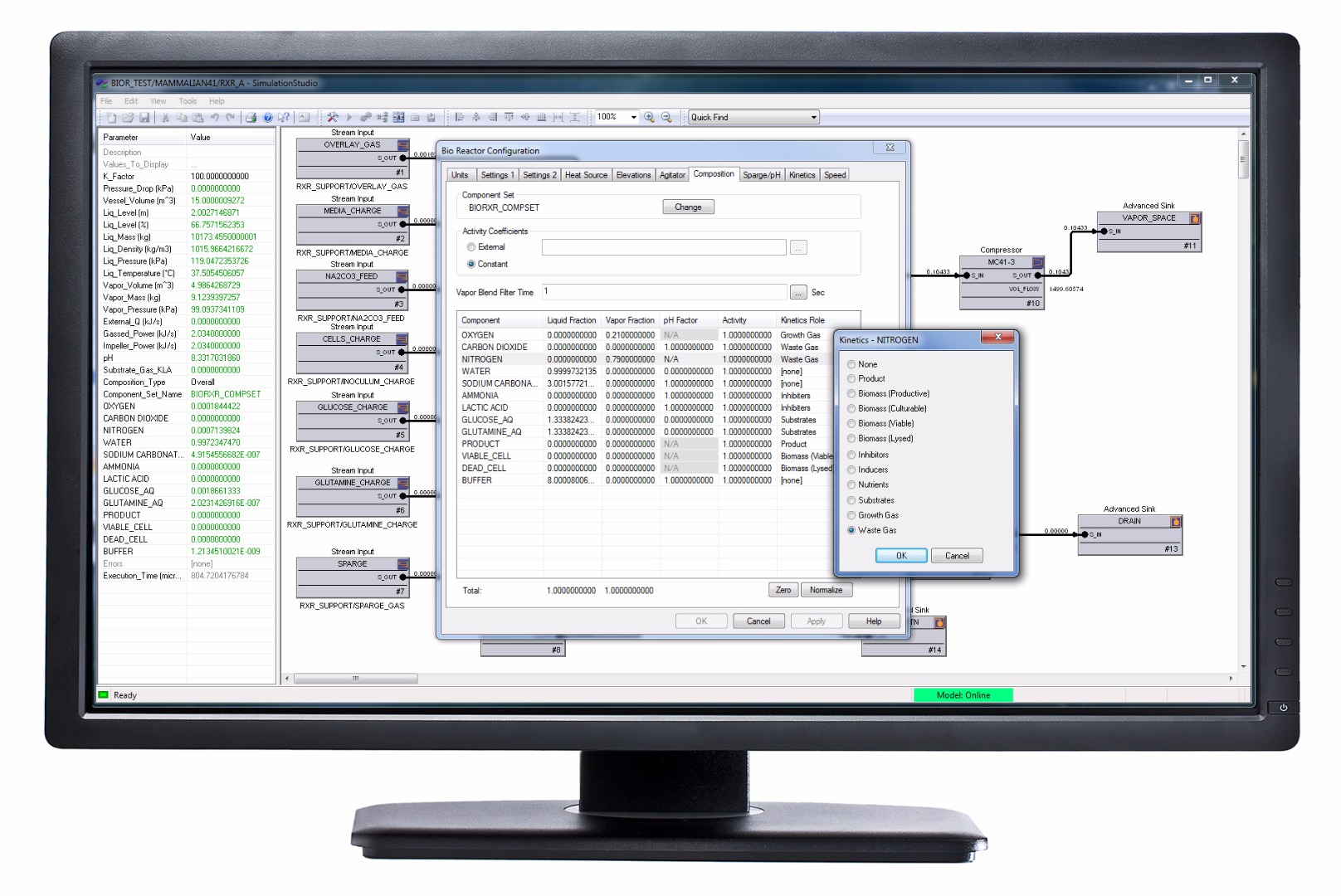
MYNAH’s solutions enable plant engineers and technicians to test and improve process control strategies, and train plant operators, in offline, real-world scenarios before implementing them in live production. The addition of MYNAH will help support Emerson Automation Solutions and its Operational Certainty program.
“Adding MYNAH’s simulation software and expertise allows us to provide customers with more advanced process simulation and training solutions. This will help improve plant performance, safety and profitability by allowing them to fully optimize their human and automation resources,” said Jamie Froedge, president, Process Systems and Solutions, Emerson Automation Solutions.
MYNAH’s Mimic Simulation Software is in use at more than 1,400 sites across 68 countries in industries ranging from hydrocarbon production, refining, chemical, pharmaceutical and biotechnology. The company’s portfolio also has integration solutions that connect Emerson’s DeltaV distributed control system and its production improvement capabilities with additional plant systems, helping Emerson meet customer demands for more integration and related plant performance improvements.
Related News
- Ebara Elliott Energy partners with NuScale Power for use of advanced nuclear technology to power petrochemical plants
- TwinThread launches Perfect Batch, an AI-powered analytics solution to optimize batch production
- Analysis: Licocene Terra, using renewable carbon in hot melt polymers for adhesive formulations
- Abundia Global Impact Group selects Topsoe's technology for waste-plastics-to-renewable products recycling facility
- Neste commissions largest upgrading facility for liquefied waste plastic, scales up chemical recycling
- Evonik expands distribution partnership with IMCD for VISIOMER® Specialty Methacrylates in the U.S.


Comments